
In many high-risk sectors, Personal Protective Equipment (PPE) serves as the final and most critical line of defense between a worker and potential workplace hazards. While engineering controls and safety protocols aim to eliminate risks at the source, industries such as construction, manufacturing, and chemical processing often involve environments where total risk removal is impossible. Whether it is a hard hat shielding a worker from falling debris or specialized gloves protecting against corrosive substances, PPE is the essential barrier that ensures employees return home safely at the end of every shift.
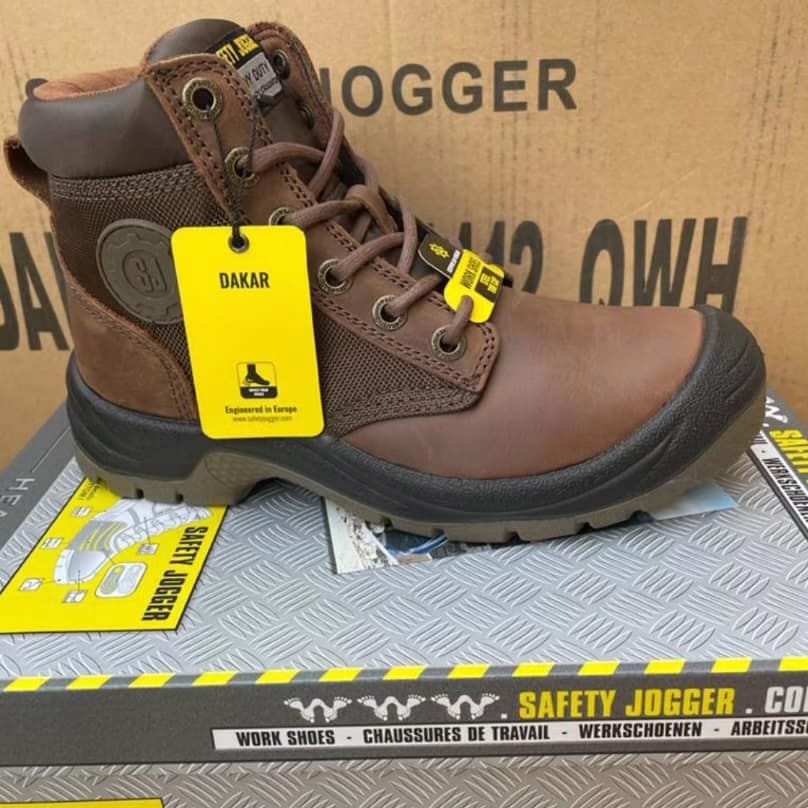
In the healthcare and laboratory sectors, PPE takes on a dual role by protecting both the professional and the public. Masks, face shields, and gowns are vital for preventing the transmission of infectious diseases and hazardous biological agents. In these settings, the importance of PPE extends beyond physical injury; it is a fundamental component of infection control and sanitation. Without rigorous adherence to PPE standards, a single point of exposure could lead to localized outbreaks or the contamination of sterile environments, making these tools indispensable for global public health.
The energy and electrical industries require specialized PPE to mitigate invisible yet lethal threats like arc flashes and high-voltage shocks. For technicians working on power lines or in industrial plants, flame-resistant clothing and insulated tools are not optional accessories—they are life-saving requirements. The precision engineering behind this equipment allows professionals to perform complex tasks in volatile environments with the confidence that their gear can withstand extreme temperatures and electrical surges that would otherwise be fatal.
Beyond physical safety, the consistent use of PPE fosters a culture of accountability and professionalism within an organization. When a company prioritizes high-quality gear and rigorous training, it sends a clear message that employee well-being is a core value, not just a regulatory hurdle. This commitment reduces the significant financial burden of workplace injuries and lost man-hours, while also boosting morale. Ultimately, PPE is an investment in human capital, ensuring that the most valuable asset of any industry—its people—is preserved and protected.